Post-Surgical Critical Observation in Sangareddy for Safe Recovery
Specialized monitoring and expert support for high-risk post-operative patients
Our critical care team ensures safe healing through advanced monitoring systems, expert assessment, and continuous management after major surgeries.

The Problem Patients Face After Major Surgeries
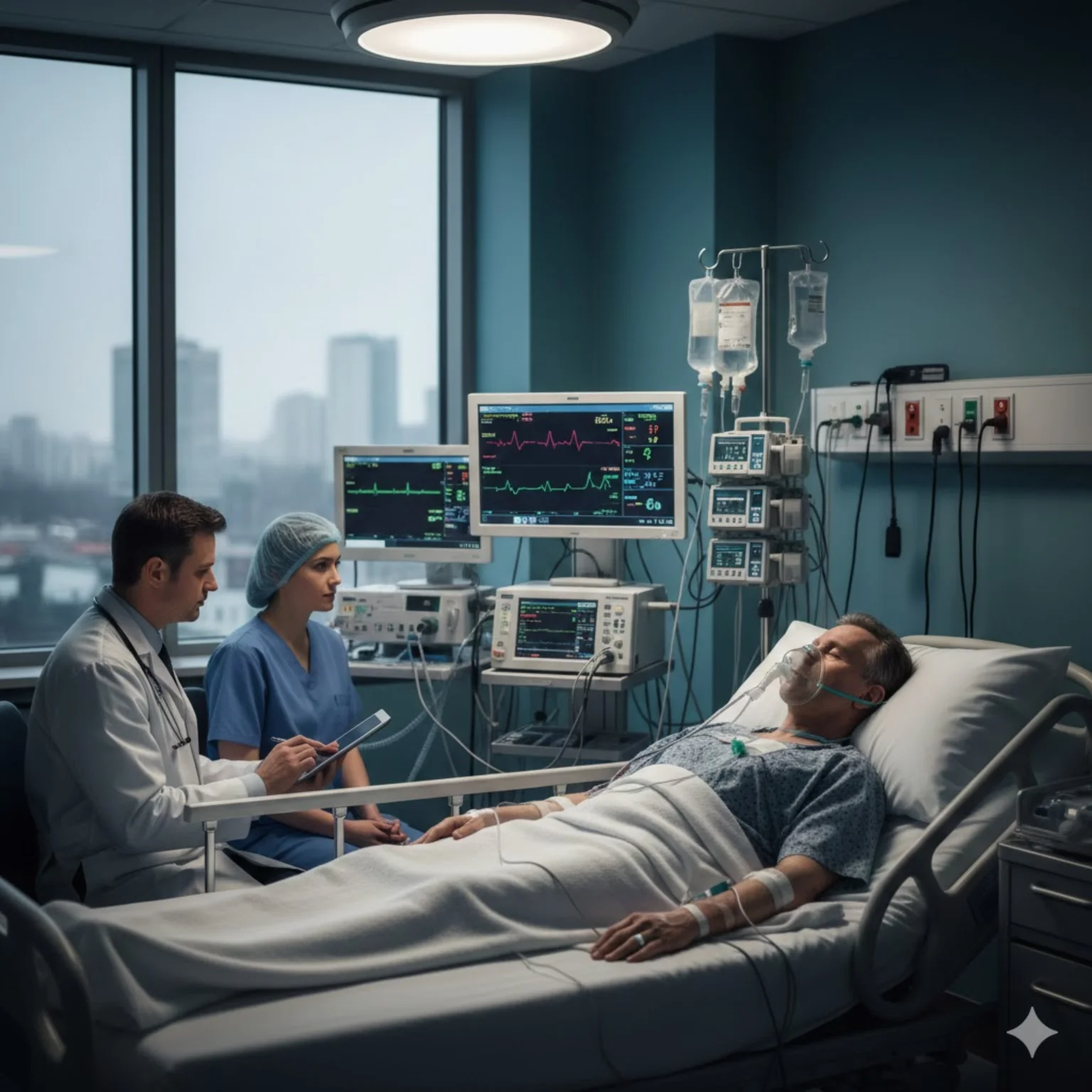
After any major surgery, the body becomes extremely vulnerable. Patients may experience sudden breathing difficulty, unstable blood pressure, internal bleeding, infection risk, fluid imbalance, or anesthesia-related complications. Families often feel anxious, lacking a reliable place where specialists monitor every minute. Without structured post-surgical observation, a small issue can become life-threatening. People need a hospital that offers uninterrupted monitoring, advanced ICU technology, experienced critical care doctors, and immediate intervention support—especially in the crucial first 24–72 hours after surgery.
Comprehensive Post-Surgical Critical Observation in Sangareddy
We provide a complete post-operative monitoring system designed to detect complications early, maintain stable vitals, support organ function, and guide patients safely from surgery to recovery. Our trained ICU nurses, anesthetists, and critical care doctors work 24/7 to track vital changes, manage pain, prevent infections, and stabilize the patient’s condition following complex surgeries.
Our post-surgical observation services include:
- Continuous monitoring of heart rate, oxygen, BP, and temperature
- Advanced ventilatory and respiratory support when needed
- Pain control and sedation management
- Infection prevention and early-warning complication checks
- Fluid balance and nutrition stabilization
- Specialist oversight for cardiac, neuro, orthopedic, and abdominal surgeries
Why Choose Our Post-Surgical Care in Sangareddy
- Round-the-Clock Expert Monitoring ICU team tracks vitals and alerts specialists instantly.
- Advanced Observation TechnologyHigh-precision monitors and alarms for safety.
- Immediate Complication ManagementRapid response to bleeding, infection, or instability.
- Multispecialty Surgical SupportSurgeons and intensivists work jointly for each case.
- Strict Infection ControlProtocols designed to protect vulnerable post-op patients.
- Comfort-Focused Recovery Pain relief, mobility support, and emotional reassurance.
Our Post-Surgical Monitoring Process – How It Works
- mmediate Post-Op Transfer :Patient arrives in ICU for initial stabilization and condition mapping.
- Continuous Vital Tracking : Cardiac, respiratory, neurological, and fluid assessments begin instantly.
- Intervention and Support : Ventilation, medications, or stabilization measures applied as needed.
- Specialist Review :Surgeons, anesthetists, and intensivists evaluate the progress regularly.
- Gradual Recovery Transition : Once stable, the patient moves from critical care to ward recovery.
Ensure the safest post-surgical recovery with expert monitoring and advanced ICU support available 24/7.
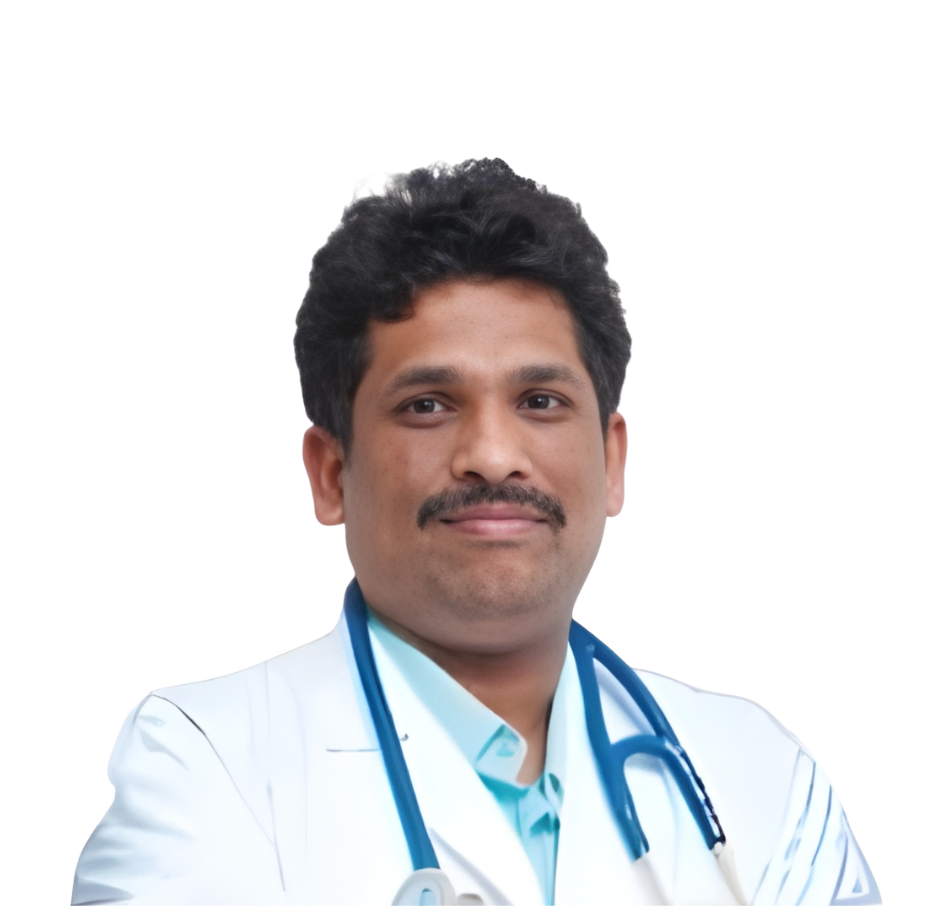
Dr Anvesh Reddy
Consultant - Laparoscopic Surgeon
MBBS, MS (General Surgery)
Experience : 10+ years
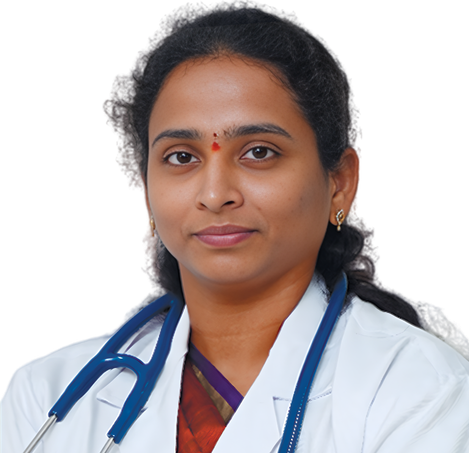
Dr Kotha Sruthi Reddy
MBBS, MS OBG
Infertility Specialist & Laparoscopic Surgeon
Experience : 10+ years
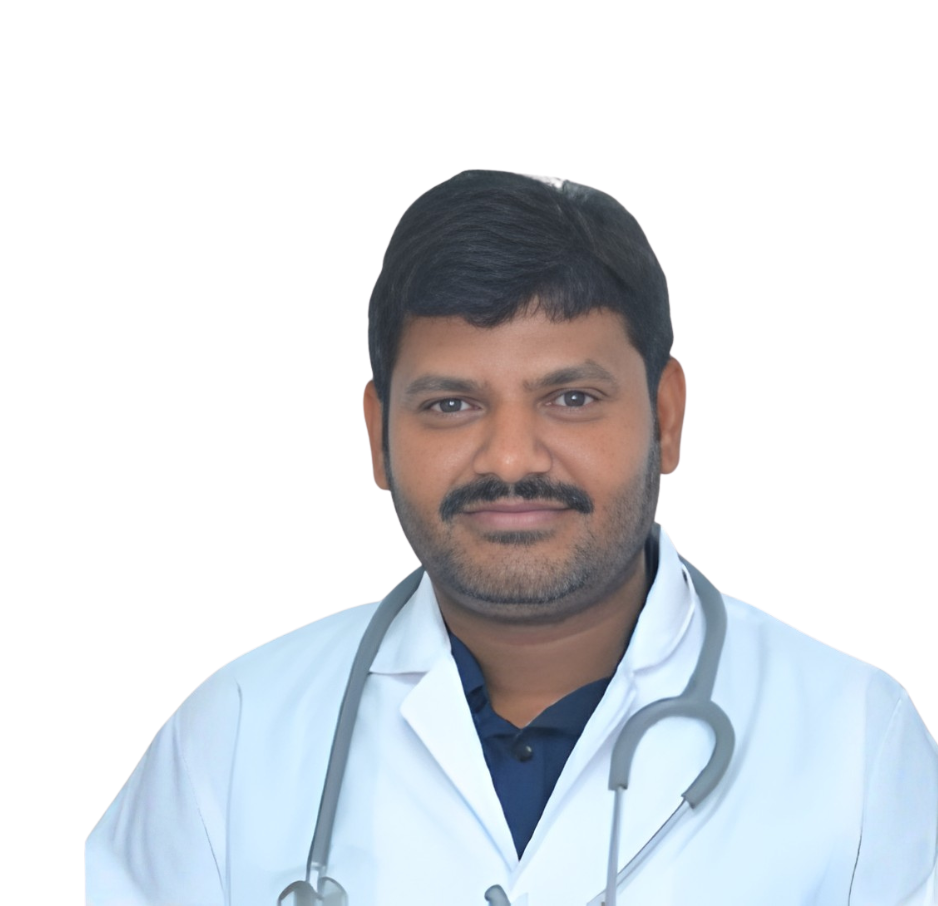
Dr Vinay Kumar
MBBS, MS (Ortho), OSM
Consultant - Orthopedic & Trauma care
Experience : 10+ years
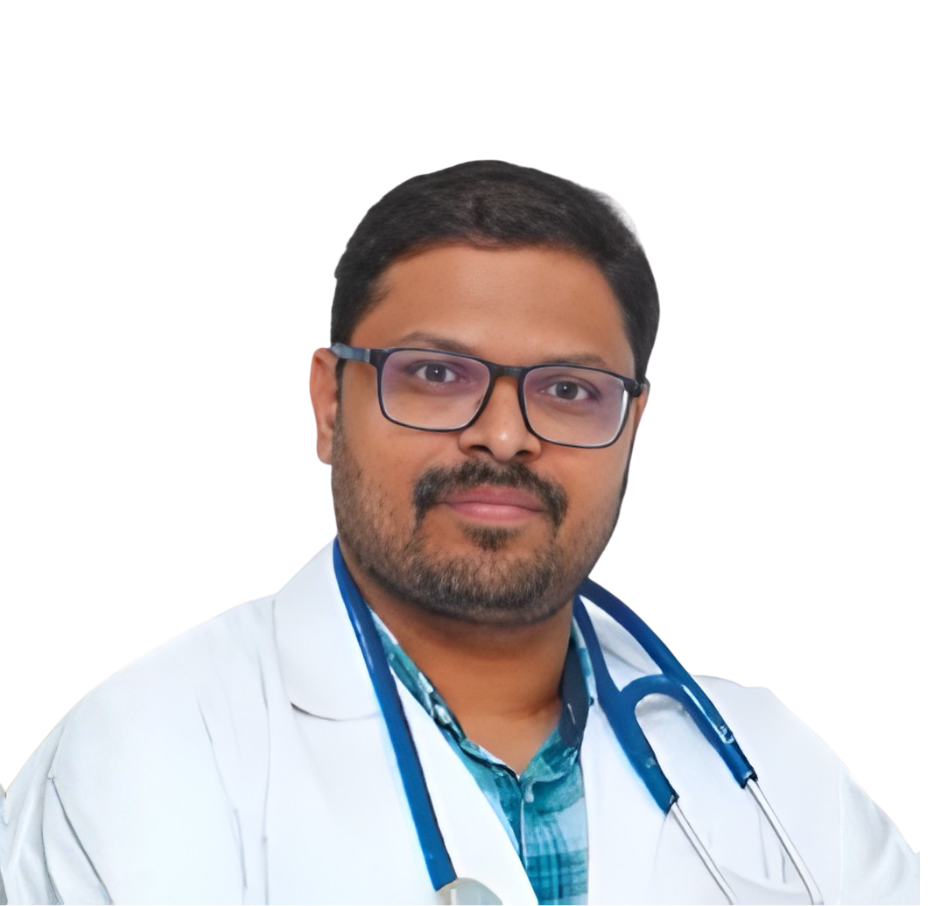
Dr Harinath Reddy
MBBS, MD (General Medicine)
General Physician & Diabetologist
Experience : 10+ years
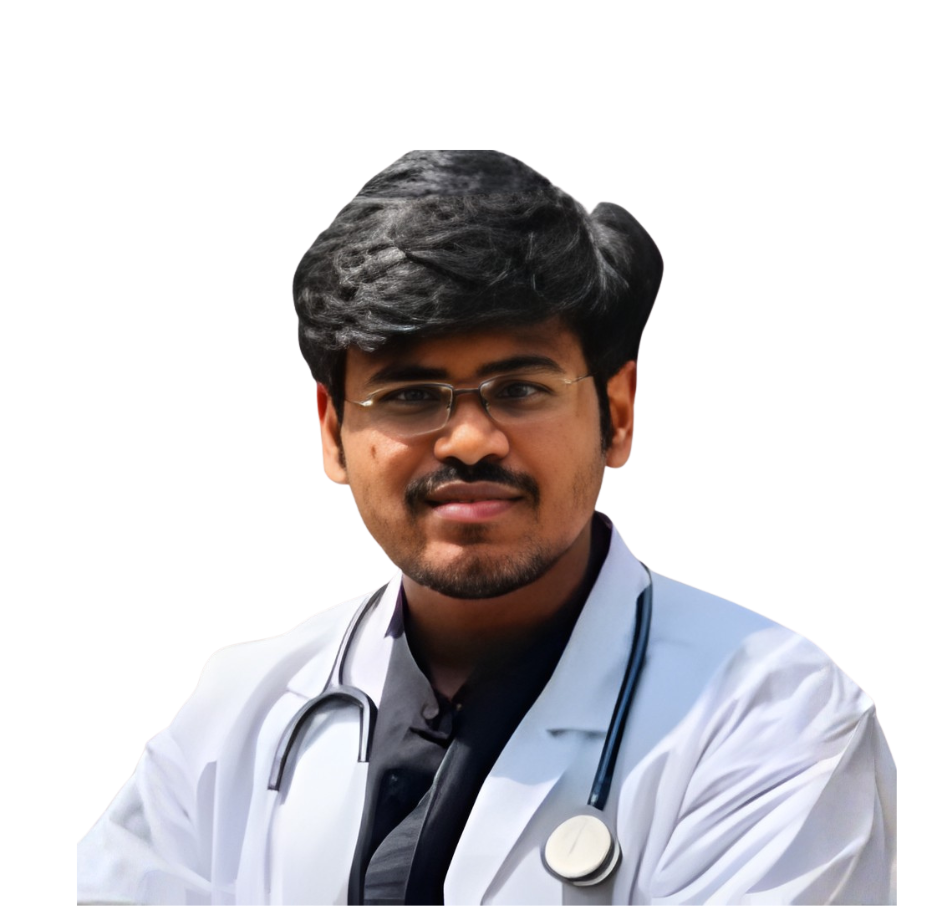
Dr Shashank Gupta K
MBBS, MD (Pediatrics)
Consultant - Pediatrician
Experience : 4+ years
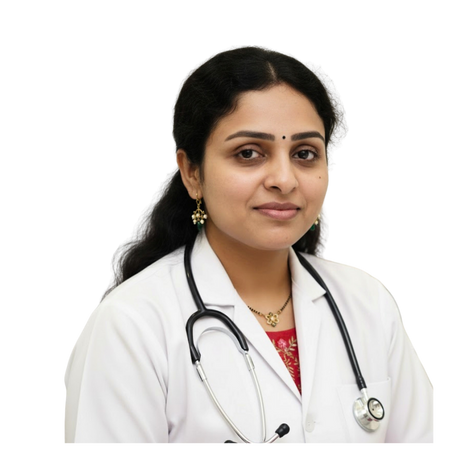
Dr. Deepa Reddy
MBBS, MD (Radiology)
Consultant - Radiologist
Experience : 10+ years

Dr-palli-Shirin
M.S, M.Ch, Dr.N.B
Consultant – Plastic & Reconstructive Surgeon (Micro vascular & cosmetic surgeon)
Experience : 7+ years
Need Guidance? We’re Here for You
If you have questions about symptoms, treatment options, or which doctor to consult, our team is ready to assist you with clear, reliable medical information so you can make confident health decisions without worry.